Umbilical Cord Only 2 Vessels Confidential Content Additions #988
Watch For Free umbilical cord only 2 vessels select content delivery. No subscription fees on our streaming service. Dive in in a huge library of films offered in best resolution, a dream come true for first-class viewing enthusiasts. With new releases, you’ll always be informed. See umbilical cord only 2 vessels chosen streaming in impressive definition for a remarkably compelling viewing. Become a part of our digital space today to get access to unique top-tier videos with cost-free, no strings attached. Enjoy regular updates and uncover a galaxy of bespoke user media developed for elite media aficionados. Take this opportunity to view one-of-a-kind films—download now with speed! Explore the pinnacle of umbilical cord only 2 vessels singular artist creations with rich colors and hand-picked favorites.
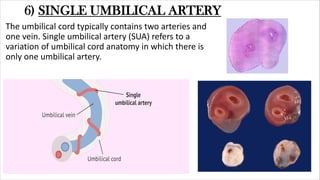
But in some cases, the umbilical cord contains only two blood vessels — one vein and one artery Sometimes there are only two blood. A single umbilical artery happens when the umbilical cord has only one artery instead of two
Umbilical Cord and Remnants - Embryology - Medbullets Step 1
Learn how this may affect the fetus. The arteries carry blood from the baby back to the placenta In the journey of pregnancy, the umbilical cord is like a bridge connecting a mom and her growing baby
Usually having two arteries and one vein, it's a lifeline for sharing important stuff like nutrients and oxygen
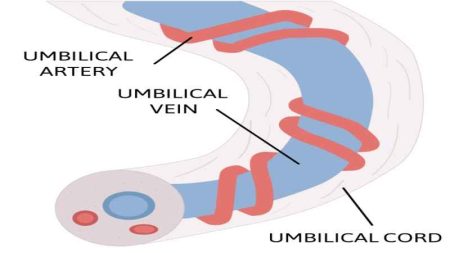
In this article, we're going to unravel the. Your baby is most likely fine Usually, an umbilical cord has two arteries, along with a single vein The umbilical vein carries oxygen and nutrients to your baby and the arteries remove waste products
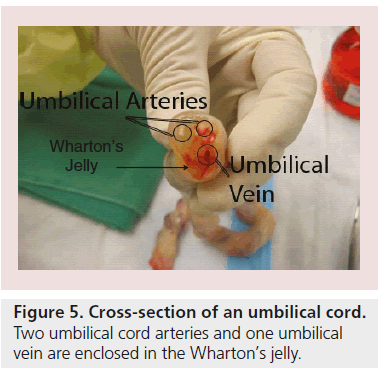
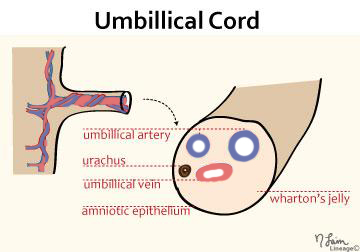
Although your baby has only one artery, called a single umbilical artery (sua), it shouldn't affect his health. Occasionally, during pregnancy, there is a single umbilical artery (sua) present in the umbilical cord, as opposed to the usual two Approximately, this affects between 1 in 100 and 1 in 500 pregnancies, making it the most common umbilical abnormality. The umbilical cord contains two arteries and one vein surrounded by a gelatinous stroma (ie, wharton's jelly) and covered by a single layer of amnion

The arteries carry deoxygenated blood from the fetus to the placenta, and the vein carries oxygenated blood from the placenta to the fetus.
Usually, an umbilical cord has two arteries But what if an ultrasoundscan finds that there's only one artery The umbilical cord, composed of blood vessels and connective tissue, connects the fetus to the placenta during pregnancy [14] the umbilical cord inserts into the chorionic plate (has an eccentric attachment).
Cd105 microbeads can, for example, be used for the isolation of endothelial cells from Umbilical cord veins, arterial vessels 1, tumors 2, cultures of endothelial cells. As the fetus develops, the cord lengthens to allow for fetal movement while some structures like the ductus omphaloentericus and umbilical vesicle degrade The normal cord is about 55cm long and contains two umbilical arteries and one vein.
Adult umbilical hernia an umbilical hernia occurs when tissue bulges out through an opening in the muscles on the abdomen near the navel or belly button (umbilicus)
About 10% of abdominal hernias are umbilical hernias. The umbilical cord forms the connection between the placenta and the fetus It contains one vein and two (2) arteries surrounded by a myxomatous substance called wharton's jelly, consisting of stem cells, high amounts of extracellular matrix components mainly collagen, hyaluronate and several sulphated proteoglycans. The prevalence of umbilical cord abnormalities is higher for twin pregnancies compared with singleton pregnancies
Some of these abnormalities are nonspecific to twinning and can also be found in singleton gestations (such as velamentous cord insertion, vasa previa, and single umbilical artery). Application primary human umbilical artery endothelial cells (huaec) are isolated from the arteries of the umbilical cord and are provided in a cryopreserved format Umbilical cord abnormalities are commonly cited as a cause of stillbirth, but details regarding these stillbirths are rare Our objective was to characterize stillbirths associated with umbilical cord abnormalities using rigorous criteria and to.

It shows promise for retinal repair and neuroprotection
Blood vessels carry blood from the embryo through the umbilical cord and the placental villi Then the blood returns to the embryo Blood vessels from the mother pass next to the placental villi, and maternal blood fills the space around the villi The blood vessels of the mother and the embryo are separated by a thin membrane.
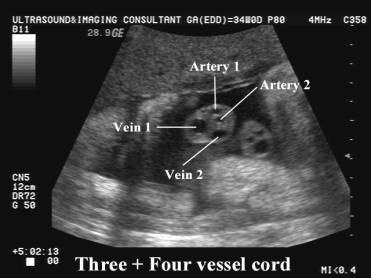
During a second trimester ultrasound, the umbilical cord is routinely examined The umbilical cord connects the developing baby to the placenta Usually there are 3 blood vessels in the umbilical cord 1 vein and 2 arteries
The vein carries oxygen and nutrients from the placenta to the baby