Why Can We Only See One Side Of The Moon Last Update Content Files #706
Begin Immediately why can we only see one side of the moon high-quality broadcast. Zero subscription charges on our media destination. Experience the magic of in a broad range of curated content provided in HDR quality, essential for elite watching aficionados. With brand-new content, you’ll always never miss a thing. Discover why can we only see one side of the moon hand-picked streaming in amazing clarity for a absolutely mesmerizing adventure. Hop on board our community today to experience exclusive prime videos with for free, no strings attached. Get frequent new content and navigate a world of uncommon filmmaker media made for exclusive media aficionados. Be sure to check out singular films—instant download available! Experience the best of why can we only see one side of the moon singular artist creations with impeccable sharpness and select recommendations.
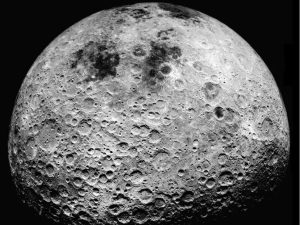
The distinctive pattern of bright highlands and dark lunar maria on the moon has been turned towards us for millennia, visible to every human who has ever stood on earth The atlantic covers news, politics, culture, technology, health, and more, through its articles, podcasts, videos, and flagship magazine. But why do we only see this one side of the moon
Why We can only see one side of the moon 🌍🤯 #space #shortvideo #shorts
We know that earth spins about its axis, so why don't we get to see the full lunar surface as our moon does the same? And we have a calendar blue moon on may 31, 2026. Learn why we only see one side of the moon and how tidal locking keeps its hidden face turned away from earth forever.
All of the manned space missions to the moon have landed on the nearside due to communication needs, so humans have physically explored this side much more.
Only during a full moon (as viewed from earth) is the whole far side of the moon dark The word dark has expanded to refer also to the fact that communication with spacecraft can be blocked while the spacecraft is on the far side of the moon, during apollo space missions for example. The reason for this similarity is simple We almost always see the same surface when we stare at the moon, the same patterns of craters and cavities, thanks to the way that the moon moves, rotating and revolving around earth
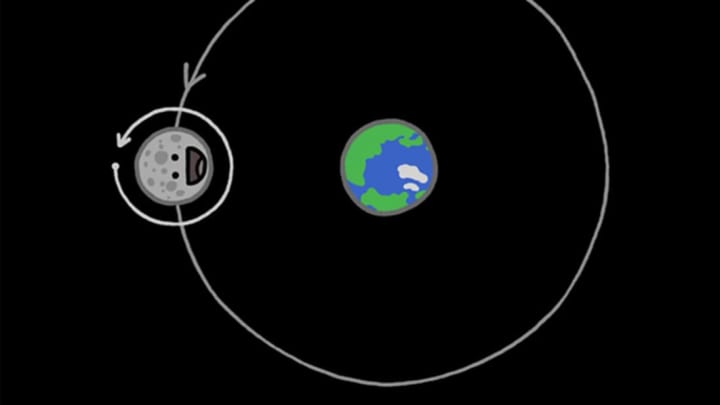
So, what about the other surface of our only natural satellite? The time taken for the moon to spin on its axis is almost exactly the same as the time it takes to orbit the earth Hence, the moon always keeps the same side pointing our way This is not a coincidence

Over billions of years, the earth's gravity has forced the moon to spin synchronously with its.
The same side of the moon always faces earth, because the moon rotates exactly once each time it orbits our planet This is called synchronous rotation. Often called the dark side, the moon's far side has inspired myths, music, and misunderstandings for generations In reality, it isn't dark at all, and it looks surprisingly different from the side we see every night
Thanks to a phenomenon called tidal locking, the moon keeps one hemisphere permanently turned away from earth. The artemis ii crew captured images of the moon's far side, a historic first But why is it that we only ever side on side of the moon from earth? As the moon orbits earth, we on earth's surface see varying fractions of its lighted face, or day side

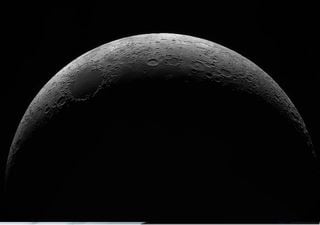
These are the changing phases of the moon
Four tips to understanding moon phases, here. The moonlight phase the full moon is the most striking moon phase, when the entire face of the moon is lit up and visible from earth By anne buckle, graham jones, and konstantin bikos at full moon, we see the entire illuminated side of the moon as the sun and the moon align on opposite sides of earth. We would like to show you a description here but the site won't allow us.
Ccli provides information and resources for churches and copyright owners around the world, relating to copyrights of christian worship songs. Learn how earth's moon formed, how its orbit affects earth's tides, why solar and lunar eclipses happen and the history of lunar exploration. Like the moon, mars is a rich destination for scientific discovery Mars remains our horizon goal for human exploration because it is one of the only other places we know where life may have existed in the solar system.

Free education and learning platform questions & answers engine quearn is a social questions & answers engine which will help you establish your community and connect with other people
We want to connect the people who have knowledge to the people who need it, to bring together people with different perspectives so they can understand each other better, and to empower everyone to. We're used to dealing with things at a much smaller scale than this When it comes to things like the age of the earth, the number of snowflakes in siberia, the national debt.those things are too much for our brains to handle We need to reduce things down to something we can see or experience directly in order to understand them.
Find all the latest film news, with features, interviews and more. The second of the month's two full moons is popularly called a blue moon This sort of blue moon happens seven times in every 19 years